
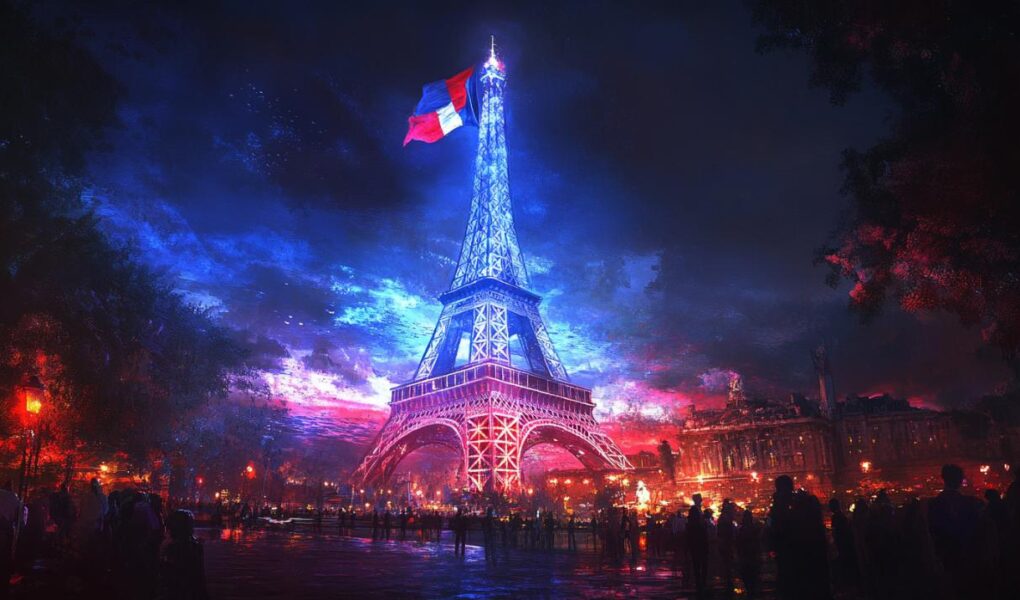
The Eiffel Tower, that iconic iron structure towering over the Seine, has long captured the imagination of millions who visit Paris each year. Yet beyond its architectural splendour and historical significance, the monument serves as a dynamic canvas for expression, particularly when illuminated in the tricolour of blue, white, and red. This striking display is far more than a simple lighting arrangement; it represents a profound statement of national identity and cultural pride, resonating not only within France but across the entirety of Europe. The shimmering spectacle transforms the Parisian skyline each evening, offering a visual narrative that speaks to both heritage and contemporary purpose.
The Sparkling Iron Lady: A Triumph of Engineering and National Pride
Gustave Eiffel's Masterpiece and the World Exhibition Legacy
Constructed for the World Exhibition of 1889, the Eiffel Tower emerged as a testament to human ingenuity and the spirit of innovation that defined the late nineteenth century. Gustave Eiffel, the visionary engineer behind this audacious project, designed a structure that would rise to unprecedented heights using iron lattice work, challenging conventional notions of what could be achieved in construction. The tower quickly became synonymous with Paris itself, a city that has always prided itself on being at the forefront of art, culture, and intellectual thought. From its earliest days, the monument was not merely a feat of engineering but a symbol of French ambition and creativity, drawing visitors from around the globe who marvelled at its daring design and sheer scale.
The legacy of the World Exhibition remains intertwined with the tower's identity, as it was conceived to showcase France's industrial prowess and cultural sophistication. Over the decades, the structure has evolved from a temporary exhibit into a permanent fixture of the urban landscape, embodying the resilience and adaptability of the nation. Its iron framework, meticulously assembled piece by piece, stands as a monument to the craftsmanship and dedication of those who built it, while also serving as a reminder of a pivotal moment in history when France sought to assert its place on the world stage. Today, the tower continues to draw millions of visitors annually, with opening hours from 09:30 to 23:00 and adult tickets to the top by lift costing approximately 36.70 euros, ensuring that the experience remains accessible to a wide audience eager to witness this marvel firsthand.
The tricolour illumination: a visual declaration of french identity
When the Eiffel Tower is bathed in the colours of the French flag, the effect is nothing short of mesmerising. The blue, white, and red hues cascade down the structure, creating a vivid tableau that celebrates the nation's history and values. This tricolour display is not a permanent fixture but rather reserved for occasions of particular significance, transforming the monument into a beacon of French identity. The choice of these colours is deeply symbolic, evoking the revolutionary spirit and the principles of liberty, equality, and fraternity that have shaped the country's political and social fabric. By illuminating the tower in such a manner, France extends an invitation to the world to witness and appreciate the cultural richness that defines the nation.
The visual impact of this illumination is amplified by the tower's sheer scale and prominence within the Parisian skyline. Standing tall against the backdrop of the city, the tricolour lights serve as a declaration of pride and unity, reminding both citizens and visitors alike of the shared heritage that binds the French people together. This display is particularly poignant during national celebrations, such as Bastille Day, when the entire country comes together to honour its past and look forward to its future. The illumination transforms the Eiffel Tower from a static monument into a living symbol, one that evolves with the times while remaining firmly rooted in tradition. The interplay of light and iron creates a dynamic spectacle that captivates onlookers, drawing their gaze upwards and inviting them to reflect on the deeper meanings embedded within the colours.
Nightfall Over Paris: The Tower's Luminous Display and Its Impact on the Capital
Metres of Light: The Technical Marvel Behind the Sparkling Display
The illumination of the Eiffel Tower is a technical marvel in its own right, representing over a century of innovation in lighting technology. Initially, the structure was lit by gaslights in 1889, a fitting choice for an era when electricity was still a novelty. However, as the twentieth century progressed, the tower embraced new technologies, with electricity being introduced around 1900 to enhance its visibility and grandeur. One of the most memorable lighting displays occurred between 1925 and 1936, when the name Citroen was emblazoned on the tower, creating a striking advertisement that could be seen from miles away. This bold use of the monument as a commercial canvas demonstrated the versatility of the structure and its ability to adapt to changing times.
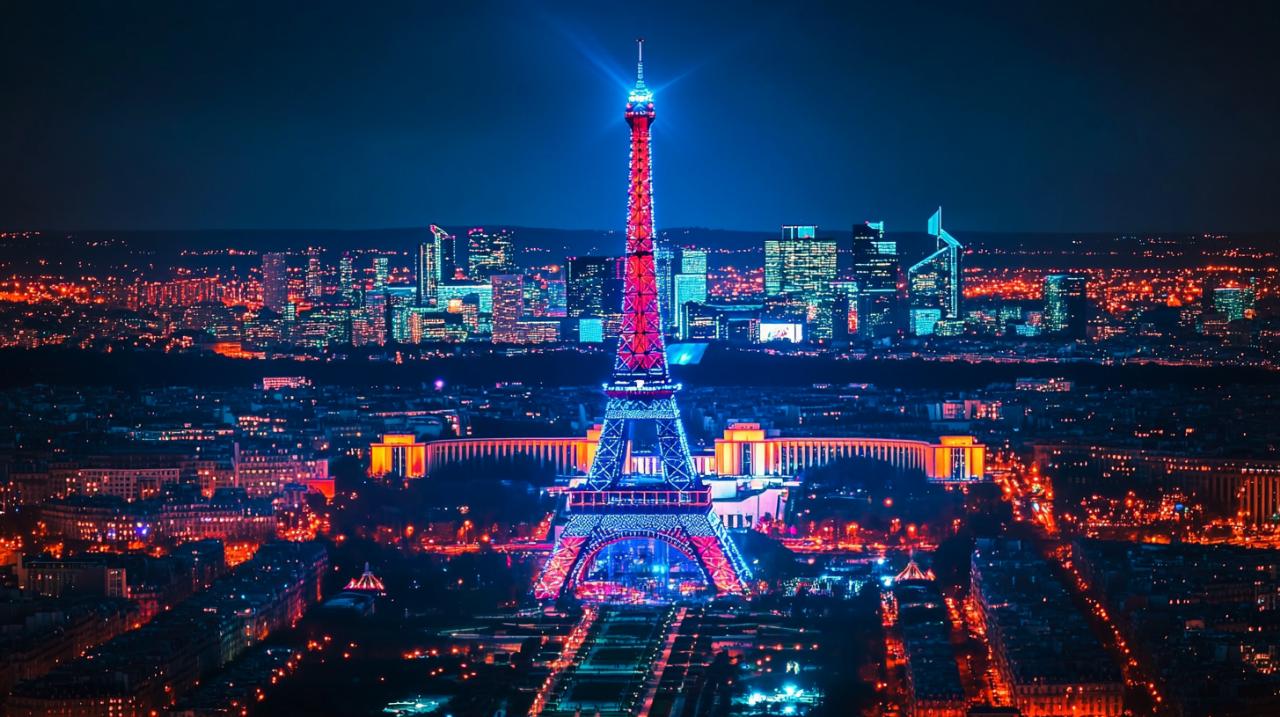
Subsequent decades saw further advancements in lighting design. Fluorescent tubes were installed in 1937, followed by sodium-vapour lights in 1985, which cast a distinctive yellowish-orange glow over the cityscape. Yet it was the addition of sparkling lights in 2000 that truly revolutionised the tower's appearance. These lights, which sparkle for five minutes every hour, create a dazzling effect that has become one of the most beloved features of the Parisian night. The sparkling display is achieved through the use of thousands of individual bulbs, meticulously arranged to cover the entire structure, creating a shimmering cascade that captivates viewers from near and far. This technical achievement underscores the ongoing commitment to maintaining and enhancing the tower's visual appeal, ensuring that it remains a relevant and enchanting symbol for future generations.
In recent years, the city of Paris has also taken steps to balance the tower's luminous beauty with environmental responsibility. As of late September 2022, the lights are switched off earlier at 23:45 as part of an energy-saving plan, reflecting a broader commitment to sustainability. This adjustment demonstrates that even iconic monuments must adapt to the pressing challenges of the modern world, finding ways to reduce their environmental footprint without sacrificing their cultural significance. The decision to dim the lights slightly earlier each evening is a small but meaningful gesture, one that aligns with Paris's broader goals of becoming a greener, more sustainable city while still preserving the enchanting experience that draws millions to the tower each year.
A Beacon for the Union: Symbolic Resonance Across European Borders
The Eiffel Tower's illuminations have long transcended national boundaries, serving as a beacon that speaks to the wider European community. The tower has been illuminated in the colours of Europe, specifically blue adorned with twelve yellow stars, to mark significant occasions such as the French presidency of the European Union in July 2008 and again from late December 2021 through January 2022. This particular display, which extended until 1 a.m. during its month-long run, was a powerful visual statement of France's role within the Union and its commitment to fostering unity and cooperation among member states. By draping the tower in the European flag's colours, France positioned itself as a champion of collective values and shared aspirations, using the monument as a diplomatic tool to reinforce its leadership on the continent.
The symbolic resonance of these illuminations is profound, as they invite reflection on the ideals that underpin the European project. The colours and stars represent the coming together of diverse nations under a common banner, united by principles of peace, democracy, and mutual respect. The Eiffel Tower, in this context, becomes more than a French landmark; it transforms into a symbol of European solidarity and cultural exchange. The decision to illuminate the tower in European colours during pivotal moments in the Union's calendar underscores France's desire to be seen not only as a proud nation but also as a constructive and forward-thinking member of the broader European family. This gesture resonates beyond the borders of France, reaching audiences across the continent who see in the illuminated tower a reflection of their own hopes for a united and prosperous Europe.
Cultural Symbolism and Contemporary Significance: France's Message to Europe
The French Presidency and National Celebrations: Occasions for Illumination
The decision to illuminate the Eiffel Tower in specific colours is often tied to moments of national and international importance, serving as a visual marker of significant events. During the French presidency of the European Union, the tower was bathed in European colours to signal the country's commitment to leading and shaping the continent's future. Similarly, national celebrations and anniversaries provide opportunities to showcase the monument in tricolour splendour, reinforcing the connection between the tower and the collective memory of the French people. The 130th anniversary celebrations in May 2019, for instance, featured a spectacular light show that paid homage to the tower's storied history and its enduring relevance in contemporary society. This event, which took place over several days, drew vast crowds and generated a sense of pride and nostalgia, reminding onlookers of the monument's journey from a controversial construction to an undisputed icon.
Other occasions have also seen the tower illuminated in various hues to commemorate important events. The structure glowed red to mark the year of France in China in 2004, and turned green to celebrate the Rugby World Cup in 2007, demonstrating its capacity to adapt to a wide range of contexts and audiences. Each of these displays is carefully orchestrated to convey a specific message, whether it be one of international friendship, sporting triumph, or cultural celebration. The flexibility and visibility of the tower make it an ideal medium for such expressions, capable of reaching a global audience and generating widespread media coverage. By using the monument in this way, France asserts its cultural influence and reinforces its reputation as a nation that values both tradition and innovation.
European Unity and French Contribution: The Tower as a Monument to Shared Values
At its core, the illumination of the Eiffel Tower in the tricolour of blue, white, and red is a celebration of French identity and a declaration of the nation's cultural contribution to Europe. The colours are steeped in historical significance, representing the revolutionary ideals that have shaped not only France but also the broader European political landscape. When the tower shines in these colours, it serves as a reminder of the values that underpin democratic societies across the continent: freedom, equality, and fraternity. These principles are not confined to France alone; they resonate throughout Europe, forming the foundation upon which the Union itself is built. The tower, therefore, becomes a monument to shared values, a symbol of the common heritage that unites diverse peoples and cultures.
The cultural contribution of France to Europe extends far beyond the realm of politics and governance. The nation has long been a beacon of artistic innovation, intellectual thought, and social progress, influencing countless aspects of European life from literature and philosophy to fashion and cuisine. The Eiffel Tower, as one of the most recognisable symbols of France, encapsulates this multifaceted legacy. Its illumination in national and European colours is a celebration of this rich cultural tapestry, inviting the world to appreciate the unique role that France plays within the continent. The monument stands as a testament to the enduring power of cultural symbols to inspire, unite, and provoke thought, serving as a bridge between past and present, tradition and modernity. In this way, the Eiffel Tower continues to shine brightly, not only as a source of light in the Parisian night but also as a beacon of hope and unity for Europe and beyond.