
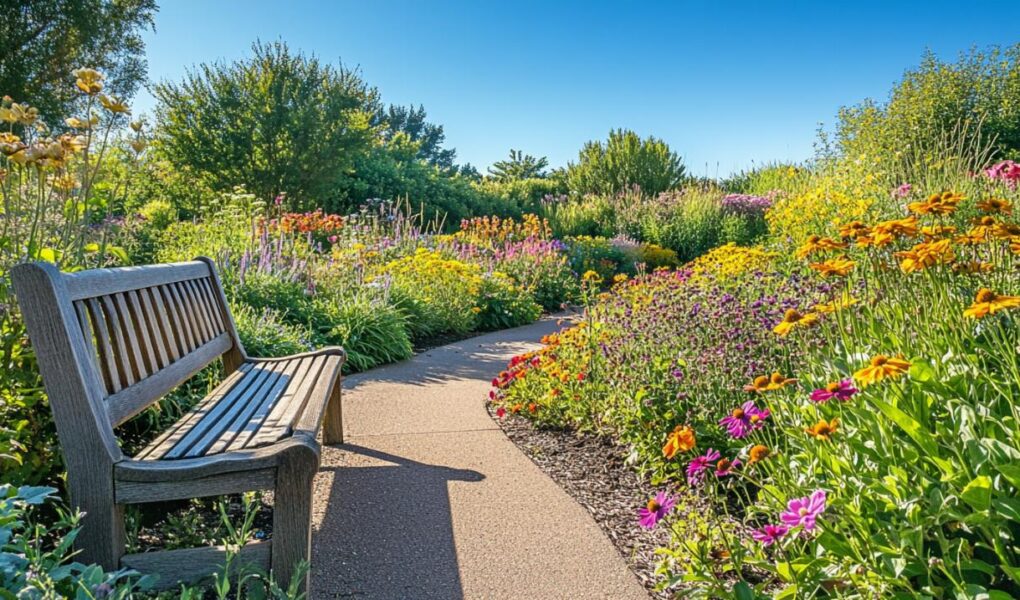
Transforming an ordinary outdoor space into a thriving garden that welcomes pollinators is one of the most rewarding endeavours any gardening enthusiast can undertake. With pollinator populations facing significant challenges across the United Kingdom, every effort to provide refuge, sustenance, and breeding grounds for bees, butterflies, and other beneficial insects makes a tangible difference to our native biodiversity. By thoughtfully combining practical gardening techniques with ecologically sound principles, even the smallest plot can become a vital sanctuary for these essential creatures. Whether you have a sprawling back garden, a modest patio, or simply a window ledge adorned with plant pots, the opportunities to support pollinators are abundant and accessible.
Creating a Year-Round Pollinator Paradise with Seasonal Blooms
Establishing a garden that sustains pollinators throughout the calendar year requires careful selection and timing of flowering plants. The goal is to ensure that nectar and pollen sources remain available from the earliest spring blossoms right through to the final autumn blooms. This continuity is essential because different pollinator species emerge and remain active at varying times, and their survival depends on a consistent supply of floral resources. Native wildflowers and cultivated varieties that are known to be particularly attractive to bees, butterflies, and moths should form the backbone of your planting scheme. Among the most beloved choices are lavender, which not only produces abundant nectar but also adds a delightful fragrance to any garden setting, and sunflowers, whose bold blooms are magnets for a wide range of insects and birds alike.
Selecting native flowering plants for continuous nectar flow
Native plants have evolved alongside local pollinator populations and are therefore ideally suited to meet their nutritional needs. Choosing species such as white clover, dandelion, daisy, and yellow rattle can transform even a modest lawn into a haven for bees during No Mow May and beyond. These plants are particularly valuable because they thrive in British climatic conditions and require minimal intervention once established. Beyond these familiar garden residents, consider incorporating wildflowers like poppies and ox-eye daisies, which not only provide nectar but also contribute to the creation of a mini wildflower meadow. Such meadows offer diverse shapes, colours, and fragrances that attract a greater variety of insects, enhancing overall biodiversity. For those with limited space, window boxes and hanging baskets filled with cosmos, chives, and catmint can deliver impressive results. These plants are straightforward to grow and maintain, making them ideal for urban gardens and balconies where every square inch counts.
Strategic Planting Schedules to Ensure Blooms from Spring Through Autumn
Timing your planting to bridge seasonal gaps in floral availability is crucial for maintaining a pollinator-friendly garden. The so-called June Gap, when fewer flowers are naturally in bloom, can leave bees and butterflies struggling to find food. To counteract this, introduce plants such as common knapweed, common poppy, common comfrey, and borage, all of which bloom during this critical period. By staggering your planting schedule and selecting species with overlapping flowering times, you create a seamless succession of blooms that carries pollinators from the first warm days of spring through to the cooler evenings of autumn. This approach not only supports the nutritional needs of adult insects but also ensures that caterpillars and other larval stages have access to the specific host plants they require. Remember that worker bees typically visit around seven thousand flowers each day, so the abundance and variety of blooms you can offer will directly influence the health and vitality of your local pollinator populations.
Designing Multi-Purpose Gardens with Edible and Ornamental Plants
A truly functional garden serves multiple purposes, providing both aesthetic pleasure and practical benefits such as fresh produce for the kitchen. By blending edible crops with ornamental flowering plants, you can create a space that is simultaneously beautiful and productive whilst offering vital resources for pollinators. This integrated approach not only maximises the utility of your outdoor area but also fosters a richer, more complex ecosystem where beneficial insects thrive alongside your vegetables and herbs. The key is to select plants that complement one another in terms of growth habits, light requirements, and flowering periods, ensuring that every corner of your plot contributes to the overall health of the garden ecosystem.
Combining Herbs and Vegetables with Pollinator-Friendly Flowers
Herbs such as chives, rosemary, thyme, and sage are excellent choices for a dual-purpose garden because they produce attractive flowers that are highly appealing to pollinators whilst also providing aromatic leaves for culinary use. When these herbs flower, they become magnets for bees and other beneficial insects, which in turn help to pollinate nearby vegetable crops such as tomatoes, courgettes, and beans. Interspersing rows of vegetables with pollinator-friendly flowers like cosmos, marigolds, and nasturtiums not only enhances the visual appeal of your plot but also encourages natural pest control by attracting predatory insects that feed on common garden pests. This method reduces the need for chemical interventions and creates a more balanced, resilient garden environment. Additionally, planting fragrant flowers throughout your garden helps attract butterflies and other insects that locate food sources primarily by scent, further enriching the biodiversity of your outdoor space. For those interested in exploring more ideas about integrating functional and beautiful elements into your home and garden, you can visit casamaribona.es to discover a wealth of inspiration and practical guidance.
Maximising space whilst supporting biodiversity in your plot
Even the smallest outdoor spaces can be transformed into productive, pollinator-friendly environments with thoughtful planning and creative use of vertical and container gardening techniques. Hanging baskets, window boxes, and tiered planters allow you to cultivate a diverse range of flowering plants and edibles without requiring extensive ground space. Urban gardens, in particular, have been shown to produce some of the highest concentrations of nectar for bees, making them invaluable resources in built-up areas where green spaces are limited. By selecting compact varieties of lavender, catmint, and sunflowers, you can enjoy abundant blooms and pollinators even on a modest balcony or patio. Furthermore, incorporating native wildflowers into pots and containers ensures that your garden contributes to the conservation of plant species, with over a quarter of Britain's native plants currently threatened with extinction. The cumulative impact of many small gardens working together can be profound, as collectively they cover a larger area than all the nature reserves in the United Kingdom combined.
Establishing essential water stations for garden visitors
Water is an often-overlooked yet critical component of a pollinator-friendly garden. Bees, butterflies, and other insects require reliable sources of clean water for drinking and, in the case of some species, for cooling their nests. Without accessible water stations, even the most flower-rich garden may fail to fully support the needs of its visiting pollinators. Providing water is a simple and cost-effective way to enhance the functionality of your outdoor space whilst ensuring that the creatures that contribute so much to your garden's health and productivity can thrive throughout the growing season.
Building Safe Drinking Spots with Shallow Dishes and Natural Stones
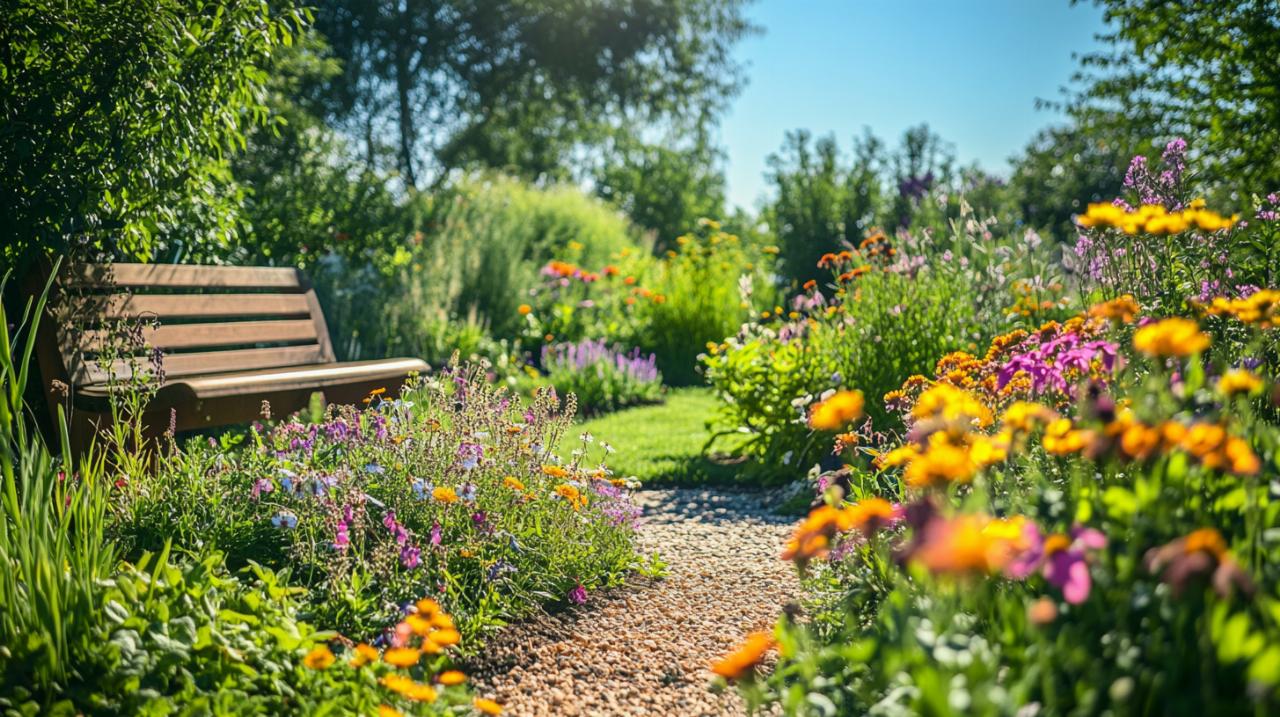
Creating a safe drinking spot for pollinators involves more than simply filling a dish with water. Insects require shallow water sources where they can land and drink without the risk of drowning. A bird bath, shallow dish, or even a saucer filled with water and strategically placed pebbles or stones provides the perfect solution. The stones create small islands and landing platforms that allow bees and butterflies to access the water safely whilst also offering perches for other garden visitors such as birds. Position these water stations in shaded areas to prevent rapid evaporation and to keep the water cool, which is particularly important during hot summer months. Adding a few floating pieces of bark or twigs can further enhance the safety and usability of your water feature, ensuring that even the smallest insects can quench their thirst without mishap.
Maintaining clean water sources throughout the growing season
Once established, water stations require regular maintenance to remain effective and hygienic. Stagnant water can quickly become a breeding ground for mosquitoes and other pests, so it is important to refresh the water frequently, ideally every few days during warm weather. Cleaning the dishes and replacing the stones periodically helps prevent the build-up of algae and other contaminants that could deter pollinators or pose health risks. During periods of heavy rainfall, check that your water sources have not overflowed or become contaminated with debris, and adjust their placement if necessary to ensure they remain functional. By maintaining clean, accessible water throughout the growing season, you provide an essential service that complements the nectar and pollen resources offered by your plants, creating a truly comprehensive habitat for pollinators.
Adopting organic gardening practices to protect pollinators
The health and safety of pollinator populations are directly influenced by the gardening methods you choose to employ. Chemical pesticides, herbicides, and fertilisers can have devastating effects on bees, butterflies, and other beneficial insects, even when applied in seemingly small quantities. Adopting organic gardening practices not only protects these vital creatures but also promotes healthier soil, stronger plants, and a more balanced ecosystem overall. By prioritising natural and sustainable approaches, you can cultivate a productive garden that supports wildlife without compromising your environmental values.
Natural pest control methods that keep your garden thriving
Organic pest control relies on encouraging beneficial insects and other natural predators to manage pest populations, rather than resorting to chemical interventions. Ladybirds, lacewings, hoverflies, and ground beetles are just a few of the helpful species that will take up residence in your garden if you provide the right conditions. Planting a diverse range of flowering plants, including those that produce clusters of small blooms such as yarrow and fennel, attracts these predators and ensures they have ample food sources. Additionally, leaving sections of your garden a little wild and messy, with rotting log piles, corrugated iron shelters, and compost heaps, creates habitats where beneficial insects, newts, toads, lizards, and even slow worms can shelter and breed. These creatures contribute to natural pest control whilst also enhancing the overall biodiversity of your outdoor space. Using compost made from garden waste not only recycles nutrients but also supports a thriving community of minibeasts such as worms, which improve soil drainage and fertility, further reducing the need for synthetic fertilisers.
Understanding which garden products are safe for beneficial insects
Navigating the array of garden products available can be challenging, particularly when trying to determine which options are safe for pollinators and other beneficial insects. As a general rule, avoid any products labelled as systemic pesticides, as these are absorbed by plants and can remain toxic to insects for extended periods. Instead, opt for organic alternatives such as neem oil, insecticidal soaps, and biological controls that target specific pests without harming non-target species. When purchasing plants, choose those that have been grown without the use of neonicotinoids and other harmful chemicals, as these substances can persist in plant tissues and pose risks to pollinators long after application. Reading labels carefully and seeking advice from reputable organic gardening organisations can help you make informed choices that protect the health of your garden's inhabitants. By committing to organic practices, you contribute to the recovery of pollinator populations and help reverse the declines caused by habitat loss and pesticide exposure.
Providing Nesting Habitats for Solitary Bees and Other Pollinators
While honeybees and bumblebees often capture the public's attention, solitary bees represent the majority of bee species in the United Kingdom and play an equally important role in pollination. Unlike their social cousins, solitary bees do not live in colonies but instead create individual nests in a variety of locations, including hollow stems, dead wood, and bare patches of soil. Providing suitable nesting habitats is essential for supporting these often-overlooked pollinators, and doing so requires only modest effort and resources.
Constructing Bee Hotels and Insect Houses for Your Garden
Bee hotels are simple structures designed to mimic the natural nesting sites that solitary bees seek out. They typically consist of bundles of hollow bamboo canes, drilled wooden blocks, or bunches of hollow stems securely mounted in a sheltered, south-facing location. The tubes should be of varying diameters to accommodate different bee species, and they should be smooth on the inside to prevent damage to the delicate insects. Position your bee hotel in a spot that receives morning sunlight but is protected from heavy rain and strong winds. Over time, you will observe female bees entering the tubes to lay their eggs, sealing each chamber with mud or chewed plant material. In addition to bee hotels, consider constructing insect houses that incorporate a range of materials such as bark, pine cones, and straw, which attract a broader spectrum of beneficial insects including ladybirds, lacewings, and solitary wasps. These structures not only provide nesting sites but also serve as fascinating focal points in the garden, sparking interest and conversation among visitors.
Leaving Wild Corners and Bare Soil Patches for Ground-Nesting Species
Many solitary bee species nest in the ground, excavating small burrows in bare or sparsely vegetated soil. To support these ground-nesting bees, resist the urge to cover every inch of your garden with plants or mulch. Instead, designate wild corners where the soil can remain undisturbed, free from heavy foot traffic and excessive watering. South-facing slopes and gently sloping banks are particularly attractive to ground-nesting species, as they provide well-drained, sun-warmed conditions ideal for rearing young. Leaving areas of leaf litter, woodpiles, and even a compost heap undisturbed also offers shelter for a range of wildlife, including hedgehogs, which are invaluable allies in controlling slugs and other garden pests. By embracing a more relaxed, naturalistic approach to garden maintenance, you create a mosaic of habitats that cater to the diverse needs of pollinators and other beneficial creatures. This philosophy of going wild and messy, allowing plants like garlic mustard and stinging nettle to grow where they will, may seem counterintuitive at first but is in fact one of the most effective ways to enhance biodiversity and ensure that your garden truly functions as a refuge for wildlife.