
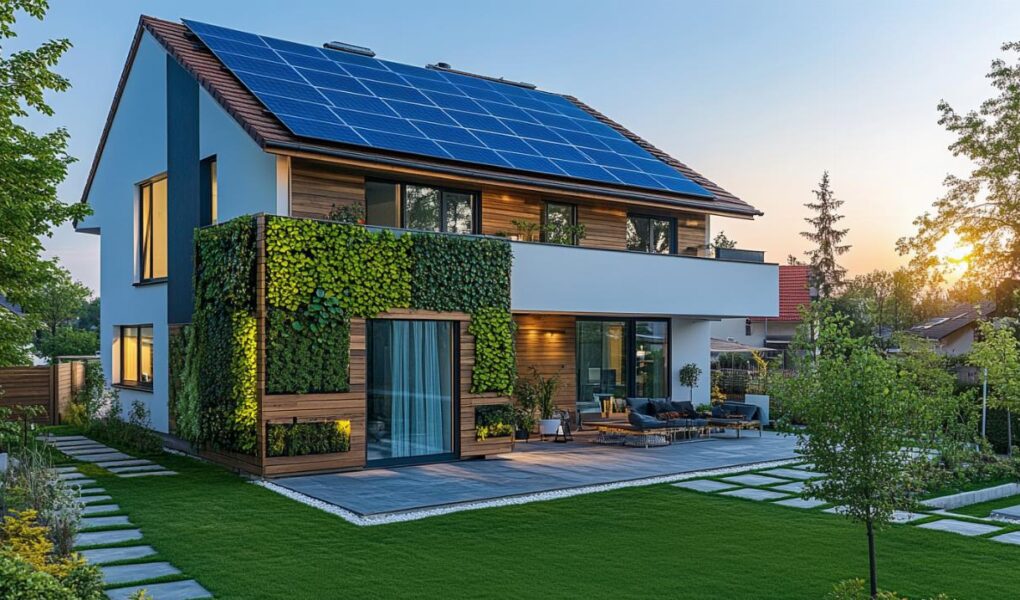
Transforming your neighbourhood into a beacon of ecological responsibility begins at home, where thoughtful choices in design and upkeep can ripple outward to inspire others. By weaving sustainable living practices into every aspect of building, renovating, and maintaining your property, you not only reduce your environmental impact but also create spaces that enhance wellbeing and foster a sense of shared purpose. From selecting low-carbon materials to nurturing local wildlife, these strategies demonstrate that greener living is both achievable and rewarding for communities across the United Kingdom.
Choosing eco-friendly building materials and sustainable construction methods
Sourcing responsibly: reclaimed wood, recycled materials, and low-impact options
When embarking on a new build or renovation, the materials you select form the foundation of your environmental footprint. Reclaimed wood salvaged from old barns or decommissioned industrial sites brings character and history into your home while diverting timber from landfill. Recycled steel, often used in structural frames, requires significantly less energy to produce than virgin metal and offers the same strength and durability. Beyond these, consider materials such as bamboo, which grows rapidly and regenerates without replanting, or cork harvested from tree bark without felling the plant itself. Hemp and straw bales provide excellent insulation and sequester carbon during their growth, making them ideal for walls in eco-conscious projects. Even cob, a traditional mixture of clay, sand, and straw, remains a viable choice for those seeking a hands-on, low-impact building method. By prioritising locally sourced and reclaimed options, you reduce transportation emissions and support regional economies while ensuring your project aligns with sustainable living practices from the outset.
Selecting Durable Materials That Stand the Test of Time
Longevity matters as much as origin when it comes to sustainable construction. Materials that withstand decades of use without degradation or frequent replacement conserve resources and spare future generations the burden of disposal and re-manufacture. Stone, whether reclaimed or quarried responsibly, offers unmatched durability for foundations, pathways, and feature walls. High-quality timber treated with non-toxic preservatives can last for generations in window frames, doors, and flooring. Similarly, clay tiles and natural slate roofs may require a higher initial investment but repay this over time through minimal maintenance and exceptional lifespan. When evaluating products, consider their resistance to moisture, pests, and weathering, as well as their ease of repair. A well-chosen durable material not only reduces waste but also lowers long-term costs, freeing up resources for other sustainability initiatives within your home and neighbourhood.
Maximising energy efficiency through proper insulation and renewable energy solutions
Insulating Your Home: Loft, Walls, and Floors for Year-Round Comfort
Effective insulation forms the cornerstone of an energy-efficient home, reducing the need for heating in winter and cooling in summer. Loft insulation remains one of the most cost-effective upgrades, with mineral wool or natural sheep's wool trapping warm air and preventing it from escaping through the roof. Wall insulation, whether added internally or externally, dramatically improves airtightness and thermal performance. For solid brick walls common in older British homes, external insulation clad with breathable render or timber can preserve interior space while enhancing energy retention. Floor insulation, often overlooked, prevents cold draughts rising from beneath and can be retrofitted with rigid boards or spray foam in accessible voids. The fabric first approach, championed by Passivhaus standards, prioritises these envelope improvements before introducing mechanical systems, ensuring that every watt of energy generated or purchased works as efficiently as possible. Retrofitting older properties with such measures can save between seventy-five and ninety percent of energy consumption, offering substantial reductions in carbon emissions and fuel bills.
Harnessing Solar Panels and Heat Pumps for Renewable Power
Once your home is well insulated, renewable energy technologies can meet much of your remaining demand. Solar panels installed on south-facing roofs generate electricity from sunlight, with any surplus feeding back into the grid for credit or storage in battery systems. Ideally, roof orientation should fall within thirty degrees of due south in the northern hemisphere to maximise output, though east and west aspects still yield respectable performance. Heat pumps, whether air source or ground source, extract warmth from the environment and amplify it for space heating and hot water, operating with remarkable efficiency compared to traditional gas boilers. These systems work best in well-insulated homes where lower flow temperatures suffice, underlining the importance of the fabric first strategy. Smart home technology can further optimise energy use by monitoring consumption in real time and adjusting heating, lighting, and appliances according to occupancy and tariff rates. Together, these solutions form a comprehensive renewable energy package that shrinks your carbon footprint while insulating you from volatile fuel prices.
Water conservation strategies: from efficient appliances to rainwater harvesting
Installing water-saving fixtures and appliances throughout your home
Water scarcity and the energy required to treat and pump it make conservation a critical element of sustainable living practices. Low-flow taps, aerated shower heads, and dual-flush toilets cut consumption without compromising comfort or hygiene. Modern washing machines and dishwashers boast impressive water efficiency ratings, using sensors to match cycle length and volume to load size. When replacing appliances, seek out those with the highest energy and water ratings, as the cumulative savings over their lifespan can be substantial. Even small changes, such as fixing dripping taps promptly or insulating hot water pipes to reduce heat loss, contribute to a more efficient household. These measures lower utility bills, reduce strain on municipal water supplies, and lessen the carbon emissions associated with water treatment and distribution.
Setting up rainwater collection systems for garden irrigation
Rainwater harvesting transforms a free natural resource into a valuable asset for gardeners and homeowners alike. Simple systems involve directing roof runoff through gutters and downpipes into water butts, which can then supply outdoor taps for watering plants, washing tools, or cleaning patios. For larger properties or more ambitious projects, underground tanks with filtration and pumps can store thousands of litres, providing a reliable supply throughout dry spells. Greywater recycling, which captures water from sinks, showers, and baths for reuse in toilet flushing or irrigation, offers another layer of conservation, though it requires careful design to ensure safety and compliance with building regulations. Both approaches reduce dependence on mains water, lower bills, and alleviate pressure on drainage systems during heavy rainfall, contributing to climate resilience at the neighbourhood level.
Reducing household waste through composting and choosing repairable products
Starting a Home Composting System for Kitchen and Garden Waste
Composting diverts organic waste from landfill, where it would otherwise decompose anaerobically and release methane, a potent greenhouse gas. A simple compost bin in the garden accepts fruit and vegetable peel, coffee grounds, eggshells, grass clippings, and pruned plant material, transforming them over months into nutrient-rich humus for flower beds and vegetable patches. Worm composting, or vermicomposting, suits smaller spaces such as balconies or courtyards, with special bins housing red worms that rapidly break down food scraps into fine castings. Avoid adding meat, dairy, or cooked foods to traditional compost heaps, as these can attract pests and slow decomposition. Regularly turning the pile introduces oxygen, accelerating the process and preventing unpleasant odours. The resulting compost improves soil structure, water retention, and fertility, reducing the need for chemical fertilisers and closing the nutrient loop within your garden.
Investing in quality items that can be mended rather than discarded
A throwaway culture has dominated consumer habits for decades, but a shift towards repairable, long-lasting goods is essential for sustainability. Appliances with readily available spare parts, modular designs, and accessible service networks can be repaired rather than replaced when faults occur, extending their useful life by years or even decades. Furniture crafted from solid timber with traditional joinery can be refinished, reupholstered, or adapted as tastes and needs change, unlike flat-pack alternatives that disintegrate after a few moves. Clothing made from natural fibres and sturdy construction lends itself to alterations and repairs, reducing textile waste and the environmental toll of fast fashion. By evaluating product lifecycles before making purchasing decisions, you support manufacturers committed to durability and circularity, encouraging a market shift away from planned obsolescence and towards truly sustainable living practices.
Designing for Natural Light and Ventilation to Minimise Energy Consumption
Strategic Window Placement and Skylights to Brighten Your Spaces
Maximising natural light reduces reliance on electric lighting, cutting energy use and enhancing mood and productivity. South-facing windows in the northern hemisphere admit sunlight throughout the day, providing passive solar heating in winter while thoughtful shading prevents overheating in summer. Skylights and roof lanterns flood interior spaces with daylight, particularly in rooms with limited wall exposure, such as bathrooms or hallways. Clerestory windows, positioned high on walls, bring light deep into floor plans without compromising privacy or wall space for furniture. Reflective surfaces, light-coloured paint, and strategically placed mirrors amplify available light, making rooms feel larger and more welcoming. By designing or retrofitting your home to optimise natural light, you reduce electricity consumption, lower carbon emissions, and create healthier, more pleasant living environments.
Cross-Ventilation Techniques for Fresh Air Without Relying on Air Conditioning
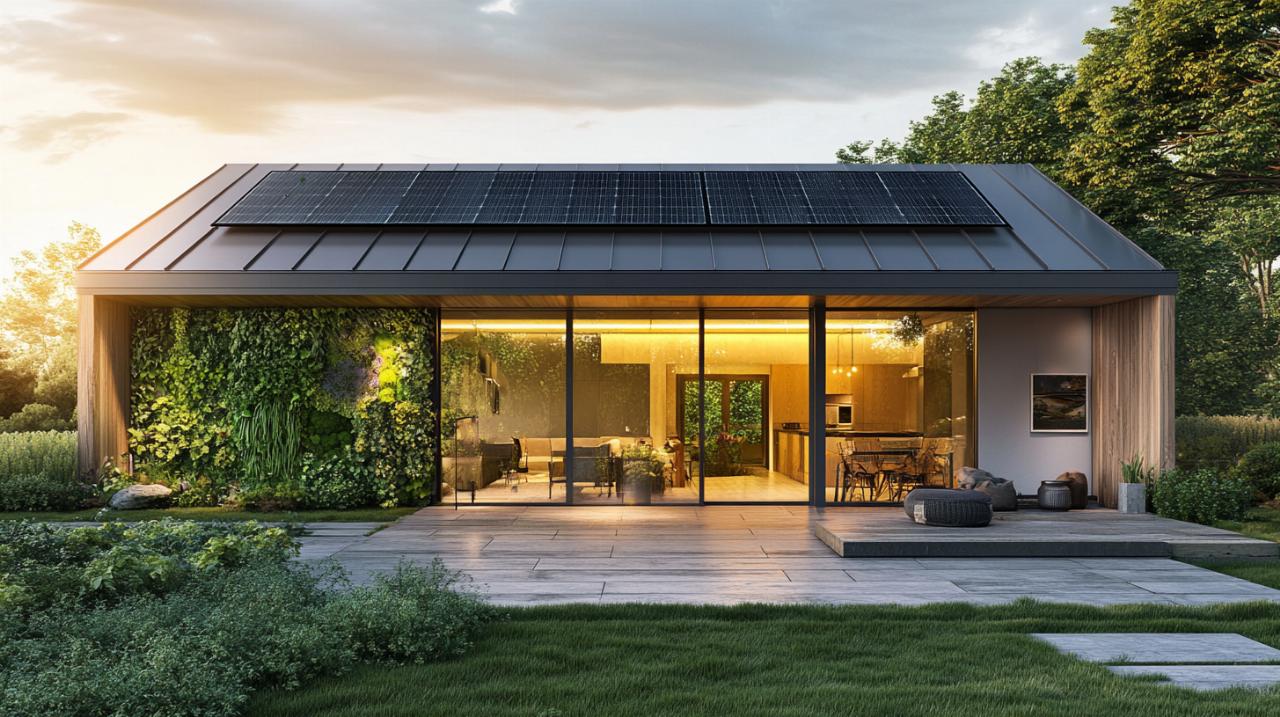
Natural ventilation harnesses breezes and temperature differentials to cool and refresh indoor air, eliminating the need for energy-intensive air conditioning. Cross-ventilation occurs when openings on opposite sides of a room or building allow air to flow through, carrying away stale air and heat. Stack ventilation, or the chimney effect, exploits the tendency of warm air to rise, drawing cool air in at low levels and expelling warm air through high vents or windows. In the United Kingdom, where extreme summer heat remains relatively rare, these passive cooling strategies suffice for most homes when combined with shading, thermal mass, and night-time purging. Opening windows after sunset allows cooler outdoor air to flush out daytime heat, while closing them and drawing blinds during the hottest hours prevents solar gain. Planting deciduous trees near south-facing windows provides summer shade while permitting winter sun to warm the home, demonstrating how thoughtful design integrates built and natural elements to minimise energy consumption.
Opting for Non-Toxic Paints, Finishes, and Household Cleaning Products
Understanding vocs and choosing low-emission interior paints
Volatile organic compounds, or VOCs, are chemicals released as gases from certain paints, varnishes, and adhesives, contributing to indoor air pollution and posing health risks ranging from headaches to respiratory irritation. Conventional paints can off-gas for weeks after application, particularly in poorly ventilated spaces. Low-VOC and zero-VOC paints, now widely available in the United Kingdom, use water-based formulations with minimal or no harmful solvents, offering vibrant colours and durable finishes without compromising air quality. Natural paints made from ingredients such as clay, chalk, and plant oils provide another option, often biodegradable and sourced from renewable materials. When redecorating, ensure adequate ventilation during and after application, and allow newly painted rooms to air thoroughly before occupancy. By choosing low-emission products, you protect your household's health and contribute to a cleaner indoor environment aligned with sustainable living practices.
Switching to Natural and Biodegradable Cleaning Solutions
Many conventional cleaning products contain harsh chemicals that pollute waterways, harm aquatic life, and degrade air quality within the home. Natural alternatives, such as vinegar, bicarbonate of soda, lemon juice, and castile soap, tackle dirt, grease, and limescale effectively without toxic residues or plastic packaging. Reusable cloths, sponges made from plant fibres, and refillable bottles reduce waste and eliminate single-use plastics. For those preferring ready-made solutions, a growing number of brands offer certified biodegradable and plant-based cleaning products in recyclable or compostable packaging. Switching to these gentler options safeguards your family's health, protects local ecosystems, and supports companies committed to environmental responsibility, demonstrating that everyday choices in home maintenance can align with broader sustainability goals.
Prioritising Longevity: Selecting Materials and Goods Built to Last
Evaluating product lifecycles before making purchasing decisions
Lifecycle thinking examines a product's environmental impact from raw material extraction through manufacture, use, and eventual disposal or recycling. Goods designed for longevity typically embody higher upfront costs but deliver superior performance, lower maintenance, and reduced replacement frequency, ultimately saving money and resources. Look for manufacturers offering warranties, spare parts, and repair services, as these indicate confidence in durability and a commitment to circularity. Certification schemes such as BREEAM provide benchmarks for sustainable construction and building performance, guiding choices in materials and systems. By evaluating lifecycles, you prioritise quality over quantity, invest in products that endure, and reduce the cumulative waste and emissions associated with frequent replacements.
Embracing timeless design over fast trends for lasting appeal
Fashion-driven interiors may look striking in magazines, but trends fade quickly, prompting costly and wasteful redecoration cycles. Timeless design, rooted in classic proportions, natural materials, and neutral palettes, remains appealing across decades, accommodating evolving tastes through subtle updates such as textiles, artwork, or lighting. Well-crafted furniture in traditional or mid-century styles transcends passing fads, gaining character and value with age. Architectural features such as exposed brickwork, timber beams, or original fireplaces anchor interiors in history and place, providing continuity and depth. By resisting the lure of fast trends, you create spaces that feel cohesive and authentic, reducing waste and embodying sustainable living practices that value permanence and craft over disposability and novelty.
Creating wildlife-friendly gardens and supporting local ecosystems
Planting Native Species to Attract Pollinators and Beneficial Insects
Gardens designed with biodiversity in mind become vital refuges for pollinators such as bees, butterflies, and hoverflies, which face mounting pressures from habitat loss and pesticide use. Native plants, evolved alongside local wildlife, provide nectar, pollen, and shelter precisely when insects need them most. Species such as lavender, foxglove, and wild marjoram thrive in British gardens, offering colour and fragrance while supporting complex food webs. Avoid excessive tidiness; leaving seed heads standing through winter feeds birds, while piles of logs and leaves shelter hedgehogs, beetles, and amphibians. Eliminate chemical pesticides and herbicides, which disrupt ecosystems and poison non-target species, and instead encourage natural predators such as ladybirds and lacewings to manage aphids and other pests. By planting native species and fostering habitat, you contribute to ecological resilience and reconnect your neighbourhood with the natural world.
Building habitats: bird boxes, hedgehog highways, and wildflower meadows
Small interventions can make a significant difference to wildlife struggling in urban and suburban environments. Bird boxes provide nesting sites for species whose natural cavities have vanished with old trees and derelict buildings. Position them away from prevailing winds and direct sun, with entrance holes sized for target species such as blue tits or sparrows. Hedgehog highways, simple gaps at the base of fences or walls, allow these nocturnal foragers to roam freely between gardens, expanding their territory and reducing the risk of inbreeding. Wildflower meadows, created by reducing mowing frequency or sowing native seed mixes, burst with colour and life, attracting scores of insect species while requiring minimal maintenance. Green roofs and living walls, covered in sedum or other hardy plants, insulate buildings, manage stormwater, and provide additional habitat in dense urban areas. These measures, individually modest, collectively transform neighbourhoods into thriving, interconnected ecosystems that support biodiversity and enrich human experience.
Regular Home Maintenance to Prevent Waste and Improve Efficiency
Seasonal checks: boiler servicing, gutter cleaning, and draught-proofing
Preventive maintenance extends the lifespan of your home's systems, avoiding costly failures and inefficient operation. Annual boiler servicing ensures safe, efficient heating, catching minor issues before they escalate into breakdowns or dangerous malfunctions. Clean gutters prevent water overflow that damages walls, foundations, and roofs, while inspecting downpipes ensures rainwater reaches storage or drains rather than pooling around the property. Draught-proofing around windows, doors, and letterboxes reduces heat loss and improves comfort, with inexpensive seals and brushes delivering rapid payback through lower energy bills. Seasonal checks of roof tiles, flashing, and chimneys identify damage early, preventing leaks that compromise insulation and structural integrity. By maintaining your home proactively, you preserve its value, reduce waste, and ensure that energy efficiency remains optimal year after year.
Keeping appliances running smoothly to extend their lifespan
Appliances represent significant embodied energy and resources, making their longevity a priority for sustainability. Simple habits, such as descaling kettles and washing machines in hard water areas, prevent limescale buildup that reduces efficiency and shortens lifespan. Cleaning refrigerator coils and ensuring adequate ventilation around heat-generating appliances improve performance and reduce energy consumption. Emptying vacuum filters and checking hoses prevents motor strain and maintains suction. When faults occur, explore repair options before resorting to replacement; many issues can be resolved with affordable parts and basic tools, or by engaging local repair technicians. User manuals often include maintenance schedules and troubleshooting guidance, empowering homeowners to care for their appliances effectively. By nurturing these everyday items, you reduce waste, conserve resources, and reinforce the principle that sustainability begins with mindful stewardship of what we already own.